
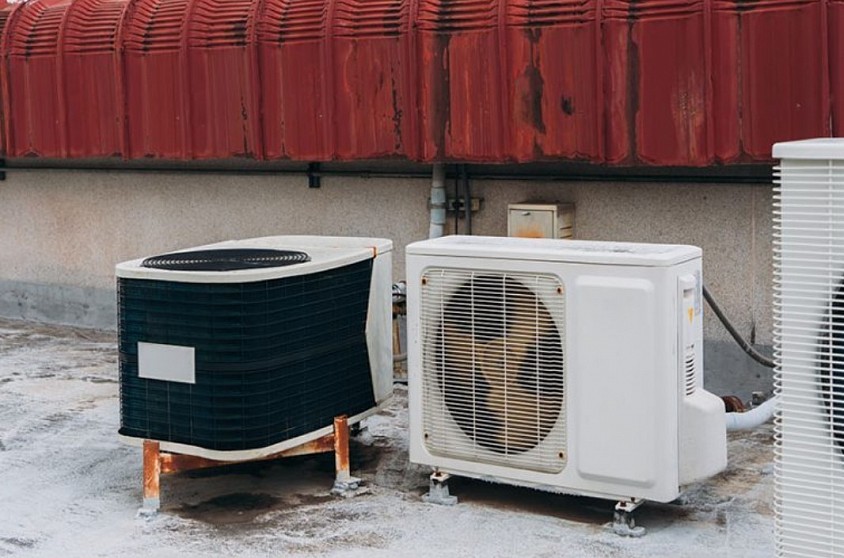
Smart Strategies for Air Conditioning Repair and Seasonal Performance
1. Start with accurate diagnostics
Air conditioning repair begins with a clear understanding of symptoms and causes. Uneven temperatures, new noises, short cycling, or rising utility bills often point to issues such as clogged filters, failing capacitors, dirty coils, or incorrect refrigerant charge. A careful diagnostic sequence—visual inspection, airflow measurement, electrical testing, and refrigerant evaluation—prevents guesswork. Addressing root causes rather than surface symptoms helps restore steady cooling, protects components from cascading failures, and supports efficient operation throughout the season.
2. Prioritize airflow before parts replacement
Restricted airflow forces an air conditioner to work harder, which can mimic mechanical failure. Before replacing parts, verify that return and supply vents are clear, filters are correctly sized and installed, and ductwork is sealed and balanced. Even small leaks or obstructions can reduce coil performance and shorten compressor life. Balanced airflow also improves comfort by reducing hot and cold spots, providing more even temperatures between rooms and floors.
3. Keep coils and condensate systems clean
Evaporator and condenser coils transfer heat; when they’re dirty, efficiency drops and repairs become more frequent. Gentle coil cleaning with manufacturer-approved methods helps maintain capacity and reduces strain on the compressor. While you’re at it, clear the condensate line and confirm a proper trap and slope to prevent backups. A reliable drain setup avoids water damage and reduces the likelihood of microbial growth, which can affect indoor comfort and system longevity.
4. Check electrical integrity and safety
Loose connections, pitted contactors, and weak capacitors tend to appear during peak cooling periods. Routine inspection of wiring, breakers, and disconnects helps prevent nuisance trips and extends component life. Proper voltage and microfarad readings ensure motors and compressors start smoothly, protecting them from hard-start conditions that raise temperatures and accelerate wear. Maintaining electrical integrity supports both performance and safety when the system is under heavy load.
5. Align refrigerant charge with manufacturer targets
An air conditioner’s efficiency depends on matching refrigerant charge to system design. Overcharge and undercharge both reduce capacity and can trigger icing, overheating, or oil return issues. After addressing leaks or component replacements, confirm superheat and subcooling values against equipment specifications. Precision here not only improves comfort and humidity control but also lowers the likelihood of repeated service calls.
6. Optimize controls and ventilation
Thermostat settings, schedules, and fan modes directly influence comfort and energy use. Calibrate the thermostat, verify sensor placement away from drafts and heat sources, and set reasonable schedules for occupancy. If the space permits, consider sensible ventilation strategies that avoid introducing excess humidity during hot, muggy weather. Proper control logic ensures the system doesn’t run longer than needed, preserving parts and maintaining stable indoor conditions.
7. Prepare for seasonal transitions
Repairs made in midsummer can be minimized with spring preparation. Before heat waves arrive, confirm outdoor clearances around the condenser, ensure sun and vegetation aren’t blocking airflow, and test start-up performance. In the fall, a quick post-season check helps identify wear that should be addressed before the next cooling cycle. Consistent seasonal attention reduces surprise breakdowns and supports predictable comfort from year to year.
8. Consider long-term system planning
Even well-repaired air conditioners eventually reach a point where recurring fixes indicate deeper inefficiencies. When that time approaches, plan ahead by evaluating capacity needs, duct condition, and evolving comfort goals. In climates with mixed heating and cooling demands, the versatility of modern heat pumps can be compelling. For properties in and around Sterling, homeowners and property managers often explore options such as heat pump installation Sterling to balance cooling performance with efficient shoulder-season heating. Coordinating repairs today with a thoughtful roadmap for tomorrow helps ensure that each investment—whether in parts, controls, or equipment—builds toward dependable comfort.
A deliberate approach to air conditioning repair blends precision diagnostics, airflow fundamentals, careful cleaning, electrical safety, accurate refrigerant management, smart controls, and strategic planning. By following these steps, indoor environments stay cooler, equipment runs more reliably, and seasonal performance remains steady when it matters most.
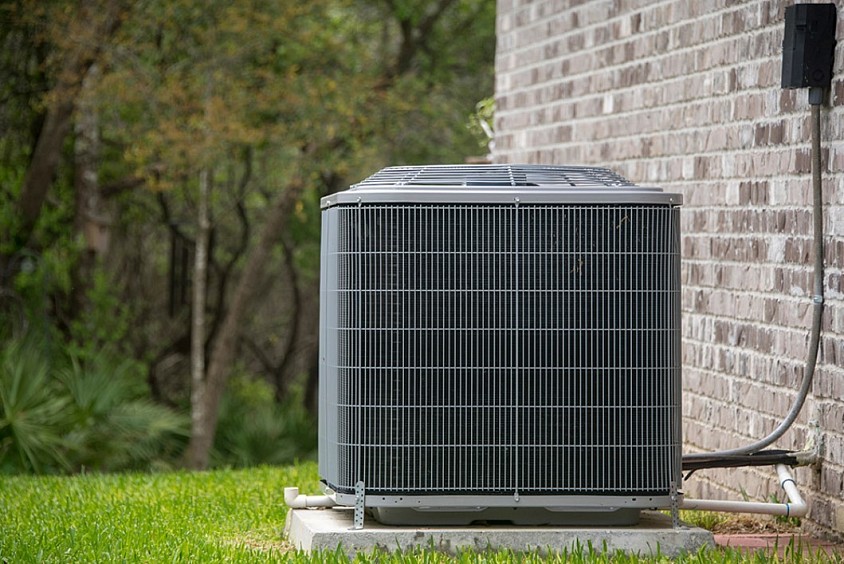
Summer breakdowns and smart prevention tips for air conditioning repair
Home comfort depends on consistent cooling, and when heat waves roll in, a sluggish system can make even the calmest household feel on edge. In communities focused on dependable indoor comfort, the phrase hvac Sterling captures how local climate, housing styles, and maintenance habits all influence system performance. These insights matter whether you’re troubleshooting an aging unit or tuning up newer equipment to avoid a mid-season emergency.
1) Spot early warning signs
A healthy system runs quietly, cycles evenly, and delivers steady airflow. Pay attention to new rattles, grinding, or hissing; uneven room temperatures; short cycling; rising utility bills; musty or burnt smells; and ice forming on the refrigerant line. Addressing these symptoms promptly can prevent larger mechanical issues and prolonged downtime.
2) Keep airflow unobstructed
Restricted airflow strains components and can trigger safety shutoffs. Replace or clean filters according to manufacturer guidance, and don’t wait until airflow drops. Clear return grilles and supply registers, move furniture away from vents, and ensure the outdoor unit has open space on all sides. Leaves, grass clippings, and fencing too close to the condenser can lead to overheating and poor heat transfer.
3) Prioritize coil cleanliness
Evaporator and condenser coils collect dust and outdoor debris that act like a blanket, reducing heat exchange and forcing longer run times. Gentle cleaning methods and appropriate coil-safe solutions help maintain efficiency. Be mindful around delicate fins, which bend easily and can be combed back if needed. Cleaner coils support better humidity control and fewer hot spots in the home.
4) Protect electrical health
Many no-cool calls trace back to electrical wear. Inspect visible wiring for fraying or discoloration, and listen for buzzing near contactors. Capacitors can weaken under heavy summer loads, making compressors and fan motors struggle to start. A professional evaluation can verify voltage and amperage draw align with equipment specifications and help identify components nearing the end of their useful life.
5) Manage condensate and humidity
Excess moisture invites microbial growth and structural concerns. Confirm that the condensate drain is clear, the trap is primed, and the safety float switch functions. In humid climates, proper airflow across a clean evaporator coil and accurate blower speeds aid dehumidification. Balanced indoor humidity supports comfort at moderate thermostat settings and reduces strain on the system.
6) Calibrate controls and airflow
Thermostats and zoning controls need accurate calibration to coordinate even cooling. Verify temperature readings, scheduling, and setpoints. Duct systems benefit from periodic assessment: sealing obvious leaks, addressing crushed flex runs, and balancing dampers improve room-to-room consistency. Thoughtful airflow tuning can transform a system that seems underpowered into a reliably comfortable setup.
7) Understand refrigerant realities
Refrigerant runs in a closed loop; it doesn’t get “used up.” If levels are low, a leak is likely. Locating and addressing leaks preserves performance and can prevent compressor damage from overheating or oil loss. Correct charge, verified through proper diagnostic methods, is essential for capacity, efficiency, and longevity.
8) Weather-proof the perimeter
Small improvements outside the equipment room reduce cooling load. Shade from trees or strategic awnings, sealed attic penetrations, added insulation where warranted, and well-fitted weatherstripping lower runtime and help the system keep pace during peak heat. Indoor comfort relies as much on the building envelope as on mechanical components.
9) Schedule seasonal tune-ups
Preventive maintenance before peak season supports dependable cooling when you need it most. A thorough appointment typically includes checking temperature differentials, verifying electrical connections, inspecting motors and belts, cleaning coils, testing safety controls, confirming condensate flow, and ensuring the thermostat communicates correctly. Regular attention keeps minor issues from escalating during high-demand days.
10) Plan for lifecycle decisions
Every system has a practical lifespan influenced by usage, environment, and upkeep. Track repair frequency, comfort consistency, and energy trends. When costs and reliability cross paths, planning ahead avoids rushed decisions during a heatwave. A well-timed transition can preserve comfort while aligning with evolving efficiency goals and home needs.
Reliable cooling doesn’t hinge on one quick fix. It’s the sum of airflow, cleanliness, electrical integrity, proper refrigerant management, weather readiness, and steady maintenance. In regions where performance expectations are high, the emphasis on dependable results—echoed in local conversations about hvac Sterling—comes down to proactive care and informed choices that keep indoor spaces comfortable all season long.